

 See My Latest Article on HelloNation
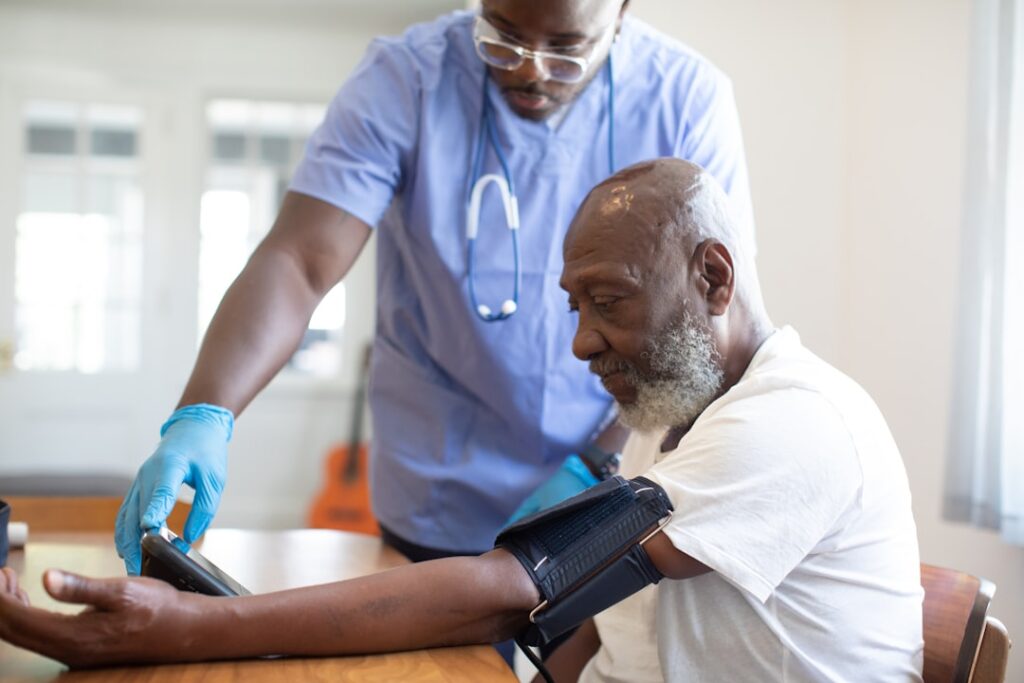
Why Should Residents Prioritize Routine Health Screenings?
Routine health screenings help identify health concerns early, often before symptoms are noticeable. For community members, this proactive approach can mean faster recovery, less intensive treatment, and a reduced impact on daily life. Screenings are designed for different age groups and risk levels, making them relevant for families, older adults, and individuals managing chronic conditions.
The lake climate, seasonal changes, and local lifestyle habits may influence certain health risks. For example, respiratory checks are especially useful during the pollen-heavy spring, while blood pressure and cholesterol screenings remain important year-round.
What Conditions Can Screenings Detect Before Symptoms Appear?
Screenings can reveal silent conditions that often go unnoticed in the early stages. Detecting these allows for timely intervention.
- High blood pressure: Can lead to stroke or heart disease if unmanaged, but usually has no warning signs
- Diabetes: Early detection can prevent complications affecting vision, kidneys, and nerves
- Certain cancers (such as colon, breast, and cervical): Outcomes improve significantly when caught early
- High cholesterol: Increases risk for heart disease but rarely shows symptoms
- Osteoporosis: Early bone density checks can help prevent fractures, especially in older adults and those with limited sun exposure
Local residents who spend considerable time outdoors, participate in agriculture, or have exposure to dust or other airborne particles may also benefit from regular lung and respiratory health assessments.
Are Screenings Different for Adults, Children, and Older Adults?
Yes, recommendations vary by age, life stage, and health history.
- Children may require screenings for vision, hearing, lead exposure, and developmental milestones, especially before starting school.
- Adults are commonly screened for blood pressure, cholesterol, certain cancers, and diabetes based on individual risk profiles.
- Older adults often have additional checks for bone health, cognitive function, and fall risk.
Family medical history, lifestyle patterns common in rural or suburban settings, and locally prevalent conditions can also guide which tests are most relevant.
How Often Should Screenings Be Done?
The frequency depends on age, sex, existing health conditions, and family history. Generally:
- Blood pressure: At least once every year for most adults
- Cholesterol: Every 4-6 years, starting in early adulthood, but more often with risk factors
- Diabetes: Every 3 years after age 45, or sooner if risk factors are present
- Cancer screenings: Vary—some annually, some every few years, based on guidelines
During annual wellness visits, local healthcare providers usually review which screenings are due. In addition, school-aged children often complete certain checks during school registration or sports clearance.
What Should Residents Expect During a Screening?
Screenings are usually quick, non-invasive, and require little or no special preparation. A typical visit might involve:
- Brief questionnaires about family medical history and symptoms
- Measurements like blood pressure, weight, and height
- Blood samples for cholesterol, glucose, or other lab tests
- Visual checks, hearing tests, or basic physical assessments
Some procedures, like mammograms or colonoscopies, may take longer or require minor preparation but are not regular occurrences for most people.
Are There Common Misconceptions About Health Screenings?

Yes, several myths sometimes prevent people from taking advantage of recommended checks:
- Feeling healthy does not guarantee absence of hidden conditions
- Screenings do not always require a doctor’s office—many are available at community events or health fairs
- Not all screenings are expensive or require insurance; many basic tests can be accessed at low or no cost through public programs
Believing that screenings only matter for older adults is also inaccurate; each age group has unique needs shaped by local environmental exposures, activity levels, and social patterns.
What Happens If a Screening Finds Something Out of the Ordinary?
A screening is not a diagnosis but a prompt for further evaluation. An abnormal result usually leads to a discussion about:
- Follow-up testing to confirm or clarify the findings
- Reviewing lifestyle or environmental risk factors (such as smoke exposure, diet, or activity changes)
- Considering simple steps to lower risk while waiting for more information
Timely follow-up can prevent complications and help residents maintain their work, family, and recreational commitments without interruption.
How Can Area Households Make Screenings Part of Routine Life?
Building screenings into seasonal routines or annual wellness traditions makes them easier to remember. For example:
- Scheduling checks in early fall, before flu season and winter weather make travel more difficult
- Using back-to-school season as a reminder for children’s vision and hearing tests
- Tying adult screenings to other annual obligations, like vehicle registration or tax season, for easy recall
In the city, families often combine visits for multiple members, minimizing time off work or travel.
What Role Do Public Agencies Play in Supporting Screenings?
State and local agencies often partner to offer access to routine checks, especially during health awareness months or at community gatherings. Area residents may also receive reminders through mail or electronic health records systems tied to public health departments.
These initiatives are designed to remove barriers to access, ensuring that even those without regular healthcare relationships have options for essential screenings. Checking eligibility and options through official resources can help area households stay informed about available opportunities.