

 See My Latest Article on HelloNation
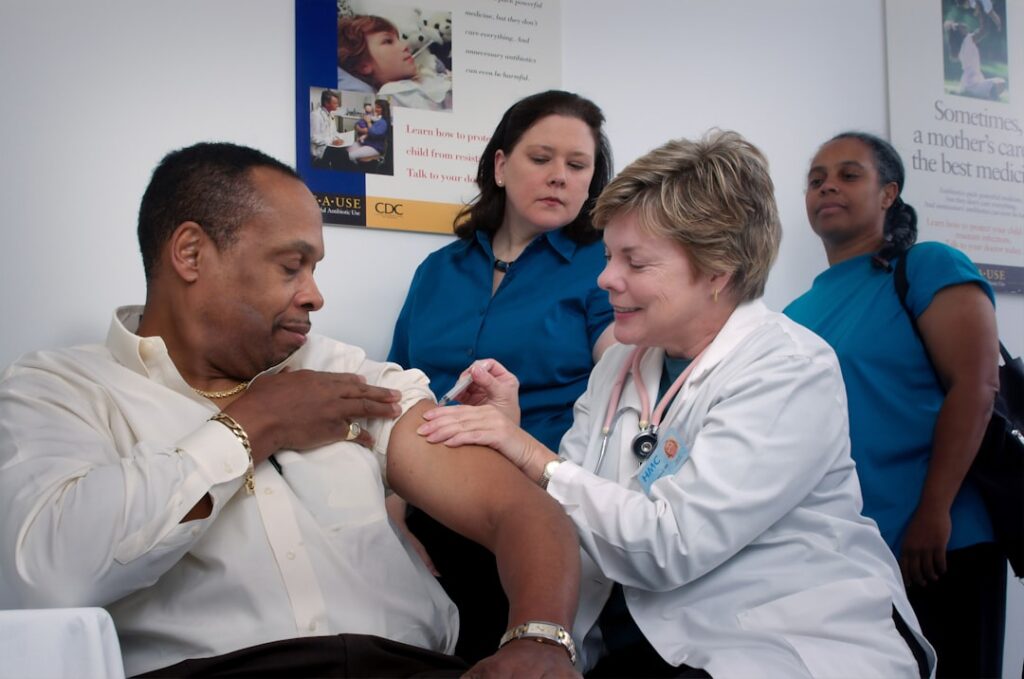
What Is Preventive Care and Why Does It Matter?
Preventive care refers to healthcare practices, screenings, and counseling aimed at detecting health issues early, reducing the risk of illness, or preventing disease altogether. Instead of waiting for symptoms or health problems to arise, preventive care helps area residents maintain better long-term health and often catch conditions before they become more serious or harder to treat.
Examples include regular physical check-ups, immunizations, blood pressure screenings, and guidance on lifestyle factors such as nutrition and exercise. By addressing health proactively, the community benefits from fewer hospitalizations, lower medical costs, and a generally healthier population.
Which Services Are Considered Preventive?
Preventive services cover a range of activities, many of which are part of annual or recommended check-ups for both children and adults. These may include:
- Vaccines for diseases like influenza and pneumonia
- Blood pressure and cholesterol measurements
- Cancer screenings (such as mammograms or colon cancer tests)
- Diabetes risk assessments
- Counseling on tobacco use, healthy eating, and physical activity
For households in Moses Lake, the right preventive services may depend on age, health history, and local environmental factors, such as water quality or air conditions that might affect respiratory health.
How Do Local Factors Affect Preventive Care Needs?
Regions with distinct seasonal changes and varying access to outdoor activity, like Moses Lake, influence how preventive care should be approached. For example:
- Dry, dusty conditions during the summer can affect asthma or allergy sufferers, making respiratory screenings valuable.
- Cold winters may lead to more time indoors, raising the risk for flu spread and emphasizing the importance of annual vaccinations.
- Locally, higher rates of certain chronic conditions (such as diabetes or heart disease) may exist compared to state averages, affecting recommended screenings for some residents.
Awareness of environmental and lifestyle patterns in the city helps tailor preventive care to what is actually relevant for local families.
What Preventive Care Should Local Adults Prioritize?
Adults in the community commonly ask which screenings and preventive steps are most relevant for their health. Key recommendations often include:
- Blood pressure and cholesterol checks starting in early adulthood, with frequency based on personal risk factors
- Regular colorectal cancer screening beginning at age 45 to 50, repeated at intervals based on test results and family history
- Breast and cervical cancer screening for women, with frequency and methods (like mammograms or Pap tests) discussed based on age, risk, and health status
- Immunizations such as seasonal flu shots and boosters for diseases like tetanus
Routine visits also offer an opportunity to discuss lifestyle risk factors, such as tobacco use or high sugar consumption, which can be particularly important given patterns of chronic disease in the region.
Why Might Preventive Care Be Overlooked?
Some local residents may avoid or delay preventive care because they feel healthy and don’t see an immediate need. Others might underestimate the long-term savings compared to the costs of treating advanced illness. Common misconceptions include:

- Believing screenings are only necessary for people who already have symptoms
- Thinking preventive visits are not relevant after a certain age
- Assuming recommended immunizations are only for children or those traveling abroad
Access, transportation, or uncertainty about which services apply can also play a role in putting off recommended care.
Are There Risks or Downsides to Preventive Screenings?
Preventive care is generally widely recommended because the benefits greatly outweigh risks. However, some tests or screenings do carry a small chance of false positives, which can lead to additional testing or anxiety. Others might not be necessary for every individual, which is why discussing personal risk factors and family history in regular check-ups is valuable.
Residents should feel encouraged to ask questions about the pros and cons of each type of preventive exam or vaccination. Understanding what is recommended for your age and background helps focus on care that offers clear benefits.
How Can Local Residents Make Preventive Care a Habit?
Integrating preventive practices into routines can be as simple as:
- Adding annual check-ups to the household calendar
- Keeping personal records of immunizations and screening dates
- Catching up on missed vaccinations or check-ups after busy periods
- Using local public health resources to learn about recommended services for the area
Local community events or health campaigns may occasionally offer free screenings or vaccine clinics during peak flu season or after the dustier, hotter summer months, making it easier for area residents to stay on track.
What Should Residents Do If They’re Unsure About Their Preventive Needs?
If you’re not sure which screenings or vaccines are due, bring it up the next time you have a general healthcare visit. Reviewing your family history, any changes in your activity level or environment, and any new symptoms or concerns can guide recommendations. With a better understanding of how preventive care works, area residents have the information needed to make informed, proactive health decisions.